
Company News
Transfer Money from India to Canada Online (Fast & Safe)
Learn how to transfer money from India to Canada online—fees, exchange rates, timing, safety checks, and a practical checklist to avoid delays.
Discover more


If you’re new to the United States—traveling, studying, working, or relocating—banking can feel surprisingly different. The basics are familiar (checking, savings, debit cards), but the fee structure, account rules, and identity requirements can catch people off guard. This guide explains how banks in the USA work and how to pick an account that fits real life, not marketing.
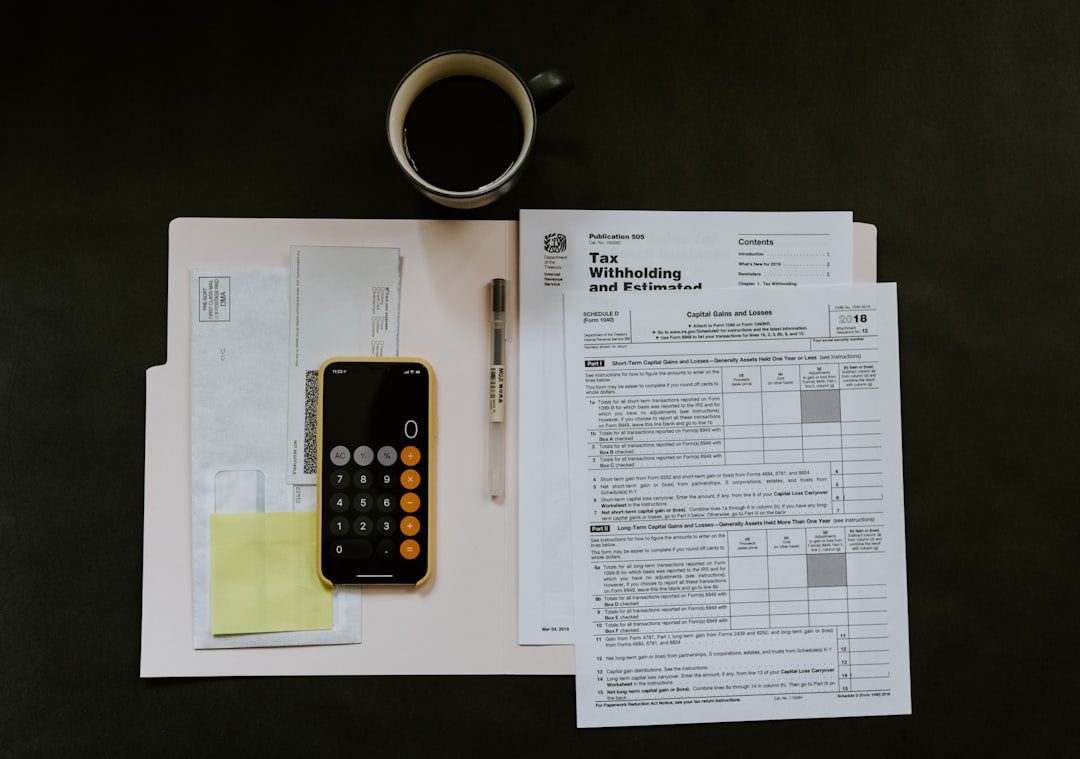
When people say “banks in the USA,” they often mean the large national institutions. In reality, the US banking landscape includes:
The “best banks in the USA” depends less on brand and more on how you use money: cash deposits, international transfers, frequent ATM use, or just a clean everyday debit card setup.
A checking account is your day-to-day spending account. It typically comes with a debit card, online banking, and bill pay. In the US, checking accounts can be fee-heavy unless you meet waiver requirements.
Savings accounts are designed for storing money rather than daily spending. Some banks make it easy to move money between checking and savings in seconds. Interest rates can vary widely between traditional and online banks.
These are savings-style products that can offer different rates and rules. They’re not necessary for everyone, but they can be useful if you’re holding funds for tuition, rent, or an emergency reserve.
US bank fees can be manageable if you understand them. The most common ones:
Practical rule:If you don’t have consistent direct deposit in the US, prioritize accounts with low/no monthly fees or easy waivers.
If you regularly deposit cash, a branch network can matter. If your income is electronic and you rarely touch cash, online banks and app-first accounts can be enough.
Travelers and newcomers often get hit by ATM fees because they use whatever ATM is nearby. Check how your bank handles out-of-network ATMs and whether they reimburse fees.
If you send money home or receive money from abroad, compare international transfer options and wire fees. Even if you only need this once per semester (tuition help, rent support), fees add up.
Some people want a person in a branch. Others want in-app chat and fast resolution. The “best” bank is the one that supports how you handle problems when they happen.
Requirements vary by institution and by your residency status. Many banks ask for identification and proof of address. If you’re a student or new resident, you may need additional documents depending on the bank’s policy.
Prepare a “banking folder” before you go:
If you’re arriving for study or work, your first week often includes banking plus housing coordination, campus onboarding, and transport setup. You’ll want reliable mobile data for maps, appointment booking, and two-factor logins.
For travelers and new arrivals, mobile data is often the simplest “security upgrade.” You can check balances and receive alerts without relying on random café Wi‑Fi.
One small tip:If you use eSIM, keep your home SIM active for OTPs while using Zetsim data for day-to-day connectivity.
The US includes large national banks, regional banks, community banks, credit unions, and online banks. The best choice depends on fees, ATM access, and whether you need branches.
Checking is for day-to-day spending and usually includes a debit card. Savings is for storing money and may offer interest, often with different withdrawal rules.
Many banks waive monthly maintenance fees if you meet conditions such as a minimum balance or direct deposit. If you don’t have steady direct deposit, look for accounts with low or no monthly fees.
Some banks allow it, but requirements vary. You may need identification and proof of address. It’s best to check the bank’s official requirements before visiting a branch.
Many banks are covered by deposit insurance (such as FDIC coverage for eligible deposits). Always confirm the institution’s insurance coverage and account eligibility.
Overdraft fees can apply when transactions go through without enough money in your account. Many banks offer settings to decline transactions instead or link overdraft protection, but policies vary.
Mobile data helps you access banking apps securely, receive fraud alerts and OTPs, and manage transfers without relying on public Wi‑Fi—especially useful when traveling or newly arrived.
Educational content only. Banking products and eligibility rules vary by institution, state, and personal circumstances. Confirm details directly with the bank and official regulators.
Learn how to transfer money from India to Canada online—fees, exchange rates, timing, safety checks, and a practical checklist to avoid delays.
Discover more

Compare options to transfer money from India to USA—fees, exchange rates, speed, and safety tips to keep your transfer smooth.
Discover more

Learn US work visa types, eligibility, sponsor process, documents, and interview tips to get a job visa in the USA.
Discover more

Find jobs in Canada faster: where to search, what employers expect, and how to apply. Plus tips for newcomers and remote job seekers.
Discover more

Compare Canada travel packages, seasonal tips, and smart itineraries—plus how to stay connected in Canada with UnlimitMobile data.
Discover more

Find jobs in USA with a practical job search plan, in-demand industries, application tips, and FAQs for international candidates.
Discover more

Compare USA travel packages, pick the right route, and keep your trip connected with UnlimitMobile eSIM. Tips for cities, parks, and road trips.
Discover more

Canada job visa for Indians: work permit types, requirements, sponsorship, documents, fees, processing times, and step-by-step application tips.
Discover more

Compare travel insurance for USA trips: medical, cancellation, baggage, and visitor coverage. Learn what to buy, what to avoid, and how to stay connected.
Discover more

Get smart travel insurance for Canada—medical emergencies, trip delays, baggage, and more. Plus stay connected in Canada with UnlimitMobile eSIM.
Discover more