
Company News
Transfer Money from India to Canada Online (Fast & Safe)
Learn how to transfer money from India to Canada online—fees, exchange rates, timing, safety checks, and a practical checklist to avoid delays.
Discover more


If you’re planning to study in the United States, the student visa process can feel like a maze: SEVIS fees, DS-160, I-20s, embassy appointments, and interview prep. This guide breaks it down into a practical, step-by-step path you can follow without guesswork.
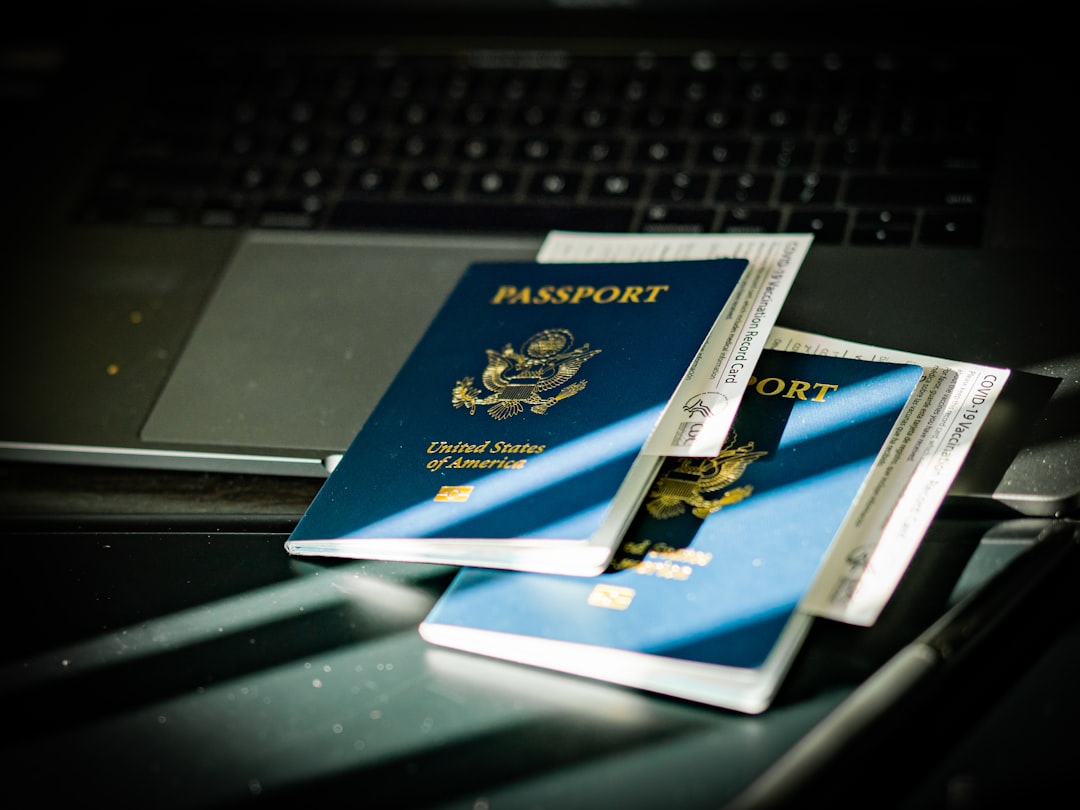
A “US student visa” usually refers to theF-1 visa, used for academic study at a US college, university, high school, language program, or other approved academic institution. Some students will instead apply for theM-1 visafor vocational or non-academic programs.
Here’s the part many applicants miss: the visa is your entry document, but your day-to-day permission to stay and study is tied to yourF-1 statusand yourForm I-20(issued by the school). Think of the visa as the key that gets you to the door; your status is what keeps you legitimately inside.
Quick tip:Visa rules and procedures can vary by country and embassy workload. Always confirm details with official sources before you submit or travel.
Most successful applicants can clearly show the following:
Your interview is often a short conversation, so the goal is not to recite a speech. It’s to make your case “obvious” with consistent answers and clean documents.
After you’re accepted, your school issues aForm I-20. Review it carefully: your name, birthdate, program dates, and funding information should match your documents. Even small errors can slow you down later.
Most F-1 applicants pay theSEVIS feebefore the interview. Keep the payment confirmation. You’ll likely need it at the embassy and when you enter the US.
TheDS-160is where many applicants create accidental problems: mismatched dates, inconsistent addresses, or rushed responses. Fill it out carefully, and save your confirmation page once you submit.
Each US embassy/consulate has its own scheduling system and wait times. Book early—peak seasons are real, and they can sneak up on you.
You want a tidy set of documents you can quickly pull out. A messy folder makes you look unprepared, even if you have everything.
Most interviews are brief. The officer typically looks for clarity on: why this school, why this program, who pays, and whether your plan makes sense. If your story is consistent, you’re already ahead of many applicants.
If approved, follow the passport/visa pickup instructions. Once you travel, keep your I-20 and supporting documents accessible. Your school will also have check-in steps once you arrive—do them promptly to protect your F-1 status.
If you’ve ever watched someone get stuck in an interview, it’s usually not because they lacked documents. It’s because their plan sounded improvised.
Many students keep their home SIM active for OTPs and important texts, then use a travel eSIM for data to reduce roaming surprises. In practice, it’s one less moving part when you already have plenty on your checklist.
Generally, non-US citizens and non-permanent residents who plan to study full-time at a SEVP-approved US school need an F-1 visa, unless they already have another status that allows study. Confirm your situation with your school’s international office and the official US visa guidance.
The F-1 visa is typically for academic programs (universities, colleges, language programs). The M-1 visa is usually for vocational or non-academic programs. Your school will indicate the correct category when issuing your I-20.
Common essentials include a valid passport, DS-160 confirmation page, visa appointment confirmation, SEVIS fee receipt, and your signed Form I-20. Many applicants also bring financial evidence and academic records to support their application.
SEVIS fee payment is typically made online using the I-901 system (instructions are provided by official SEVIS resources). Keep your payment confirmation/receipt—print it and save a digital copy.
Interviews often focus on: why you chose that school/program, how you will pay, your academic background, and your post-study plans. The best strategy is to give clear, consistent answers that match your DS-160 and I-20.
Entry timing depends on your program start date and the rules associated with student entry windows. Your Form I-20 and school guidance are key—check the official Department of State information and your school’s instructions before booking travel.
Educational content only. Immigration decisions depend on your circumstances and official policies. For the most accurate guidance, rely on official US government sources and your school’s international student office.
Learn how to transfer money from India to Canada online—fees, exchange rates, timing, safety checks, and a practical checklist to avoid delays.
Discover more

Compare options to transfer money from India to USA—fees, exchange rates, speed, and safety tips to keep your transfer smooth.
Discover more

Learn US work visa types, eligibility, sponsor process, documents, and interview tips to get a job visa in the USA.
Discover more

Find jobs in Canada faster: where to search, what employers expect, and how to apply. Plus tips for newcomers and remote job seekers.
Discover more

Compare Canada travel packages, seasonal tips, and smart itineraries—plus how to stay connected in Canada with UnlimitMobile data.
Discover more

Find jobs in USA with a practical job search plan, in-demand industries, application tips, and FAQs for international candidates.
Discover more

Compare USA travel packages, pick the right route, and keep your trip connected with UnlimitMobile eSIM. Tips for cities, parks, and road trips.
Discover more

Canada job visa for Indians: work permit types, requirements, sponsorship, documents, fees, processing times, and step-by-step application tips.
Discover more

Compare travel insurance for USA trips: medical, cancellation, baggage, and visitor coverage. Learn what to buy, what to avoid, and how to stay connected.
Discover more

Get smart travel insurance for Canada—medical emergencies, trip delays, baggage, and more. Plus stay connected in Canada with UnlimitMobile eSIM.
Discover more