
学生们
Moving from Germany to Canada: Relocation & eSIM Guide
Moving from Germany to Canada? Plan your relocation, prepare documents, manage your budget and compare Canadian SIM cards and eSIM plans for students, families and newcomers.
发现更多



Study in the United States • visa prep • travel setup
A Student Visa USA application isn’t complicated—until you’re one week from your flight and something small goes wrong: a name mismatch on your documents, missing fee receipts, or an interview answer that doesn’t match your file. This page walks you through the F‑1 route (the most common U.S. student visa), what “requirements” really mean, how the interview works, and how to arrive prepared.

The term Student Visa USA usually refers to the F‑1 student visa, which is commonly used by international students attending academic programs in the United States. Other student-related categories exist, but F‑1 is the default for many degree-seeking students.
If you’re unsure which category applies, follow the visa category tied to the eligibility document issued by your school. That document typically determines your path.
Requirements vary by embassy/consulate and personal background, but most successful applications are built around three things: legitimate enrollment, credible funding, and a clear study plan.
Many students over-focus on “having documents” and under-focus on “having a coherent file.” If your funding story doesn’t match your documents, it doesn’t matter how many pages you bring.
The best time to start is earlier than you think. The biggest delays aren’t always paperwork—they’re appointment availability and unpredictable processing times. Work backward from your program start date, then add buffer.
Your visa starts with your school. Once admitted, follow the school’s international office instructions to issue your eligibility document. Don’t rush this step—errors here ripple through everything else.
Check spelling, dates, and program details. If something is wrong, fix it before your interview appointment. It’s much easier to correct an error early than to explain it later.
Requirements vary by location, but receipts are commonly requested in one form or another. Save digital copies and bring printed copies.
Use the same name format and biographical details across your passport, I‑20, and DS‑160. Consistency is the quiet “skill” that prevents delays.
Some locations include a separate biometrics appointment. Follow instructions carefully and avoid last-minute rescheduling. Show up early with the correct photo format.
Interviews are often brief. Be prepared to answer quickly and clearly about your school choice, program, funding, and post-study plans.
Processing time varies. If you need a status update, use the official tracking method provided by your embassy/consulate and local process.
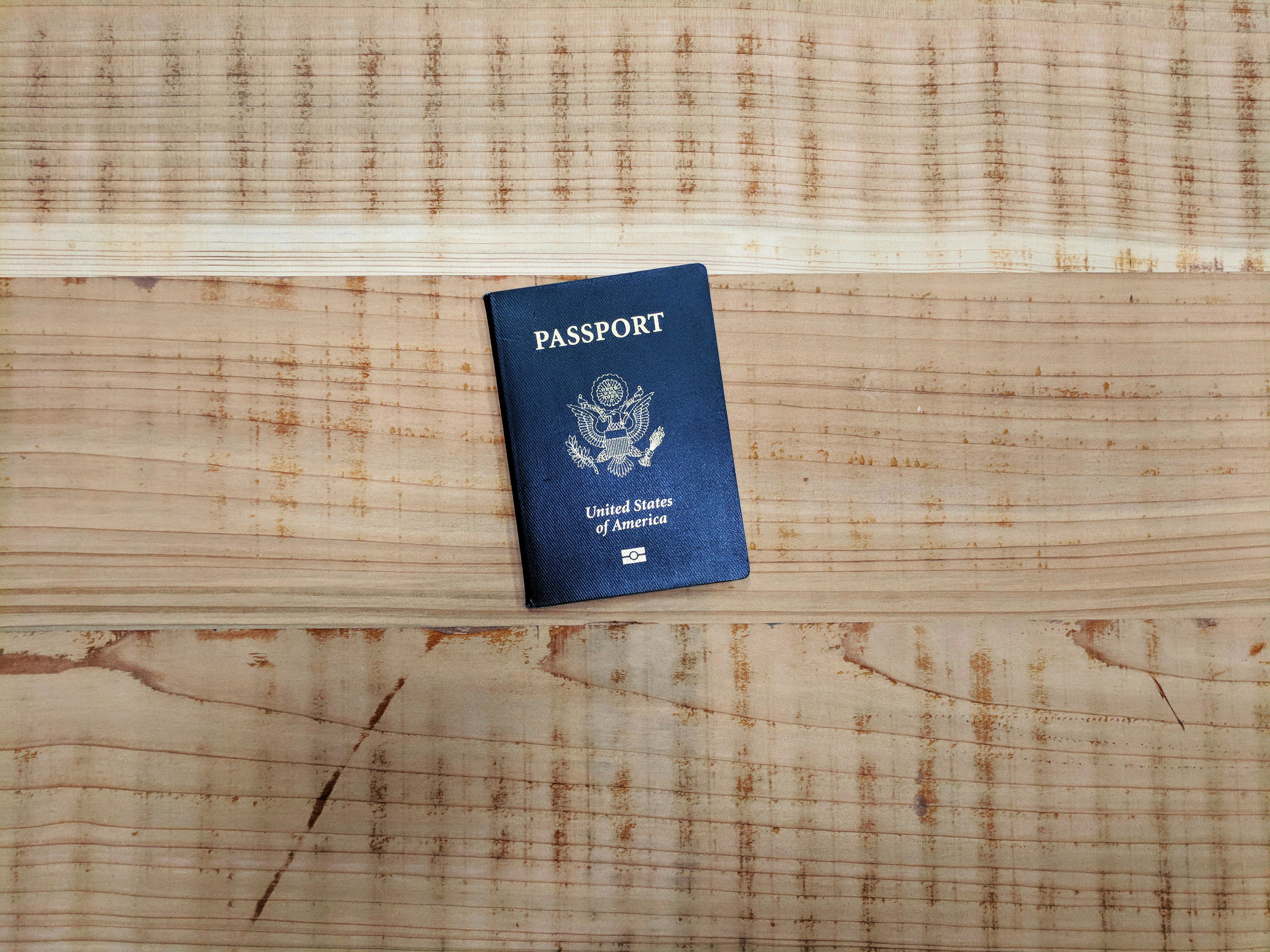
The interview is where strong applicants win by being simple. Not dramatic. Simple. A good interview sounds like someone who knows what they’re doing and has the documents to prove it.
A strong study plan can be summarized in 20 seconds: what you’ll study, why that program, and what it supports after graduation. Practice that summary until it feels natural.
Visa costs aren’t the whole story. Most students feel financial stress in the first month because setup expenses are underestimated.
Many students plan around OPT (Optional Practical Training). Details and eligibility depend on your program and timing, and rules can change. Treat it like a timeline-based process and talk to your school early—don’t wait until graduation is close.
The first two days are usually admin-heavy: housing access, campus check-in, email setup, banking, and navigating a new city. Most of it depends on your phone working immediately.
Unlimit Mobile helps you get mobile data without relying on airport Wi‑Fi. That means faster access to university portals, navigation, and communication right when you arrive.
Tip: install and activate before you fly so you’re connected as soon as you land.
For most academic students, the commonly used category is the F‑1 student visa. Other categories such as M‑1 and J‑1 may apply depending on the program type and sponsorship.
What are the basic student visa USA requirements?Common requirements include a valid passport, a school-issued eligibility document (often I‑20 for F‑1), DS‑160 confirmation, required fee receipts, a compliant photo, and supporting evidence such as academic records and proof of funding. Requirements vary by embassy/consulate.
How long does the student visa USA process take?Timelines depend on school processing, interview appointment availability, and visa processing time in your country. Start early and build buffer time before your program start date.
What happens in the interview for student visa USA?The interview is typically a short credibility check. Expect questions about your school and program choice, funding plan, and post-study intent. Clear, consistent answers that match your documents are key.
What is an F‑1 student visa?The F‑1 is a nonimmigrant visa category commonly used for academic study in the United States. Students typically receive an eligibility document from their school to support the application.
What is OPT and should I plan for it early?OPT (Optional Practical Training) is commonly discussed as a practical training option related to a student’s field of study. If OPT matters to your plan, talk to your school early so you don’t miss deadlines.
Do I need mobile data when I arrive in the U.S.?Yes, it’s strongly recommended. You’ll likely need maps, messaging, school portals, email, and verification codes immediately. Unlimit Mobile can help you get data without relying on public Wi‑Fi.
This page provides general information and is not legal advice. Requirements and procedures can vary by country, U.S. embassy/consulate, and applicant profile, and rules may change. Always verify your specific steps with official U.S. government resources and your school.
Moving from Germany to Canada? Plan your relocation, prepare documents, manage your budget and compare Canadian SIM cards and eSIM plans for students, families and newcomers.
发现更多

从德国搬到英国?浏览学生、外籍人士和家庭的搬迁清单、文件、预算、英国 SIM 卡、eSIM 计划和移动连接。
发现更多

Moving from Germany to the USA? Learn how to compare eSIMs, prepaid services and monthly mobile plans for short visits and long-term stays.
发现更多

Moving from Germany to the USA, UK or Canada? Follow this first-week checklist for SIM cards, mobile data, local phone numbers, banking and essentials.
发现更多

Moving from Germany to the USA, UK or Canada? Learn how to prepare your phone, manage your German SIM, use an eSIM and stay connected abroad.
发现更多

Looking for a USA eSIM from Germany? Compare data, U.S. phone numbers, prepaid plans, validity, and long-term options for students, travelers, and newcomers.
发现更多

Moving from Germany to the USA in 30 days? Follow this practical checklist for documents, finances, housing, packing, and U.S. mobile connectivity.
发现更多

Getting ready for your USA move? Find out what to arrange and buy before departure, from documents and money to housing, mobile service, and everyday essentials.
发现更多

Preparing for a move from Germany to America? Use this 12-month checklist to organize finances, accommodation, paperwork, phone service, and your arrival.
发现更多

从德国搬到美国?在本指南中了解签证、住房、医疗保健、银行、移动服务、交通、费用和日常生活。
发现更多