
Company News
Best Mobile Phone Plans in USA (2026 Guide)
Compare the best mobile phone plans in the USA—unlimited, prepaid, family, and no-contract. Pick a plan that fits your data, coverage, and budget.
Discover more


“Canada student visas” usually refers to the Canada study permit. The steps are straightforward on paper, but applicants get delayed when documents don’t match, financial proof is unclear, or the timeline is too tight. This guide walks you through the process in a practical, sequence-first way.
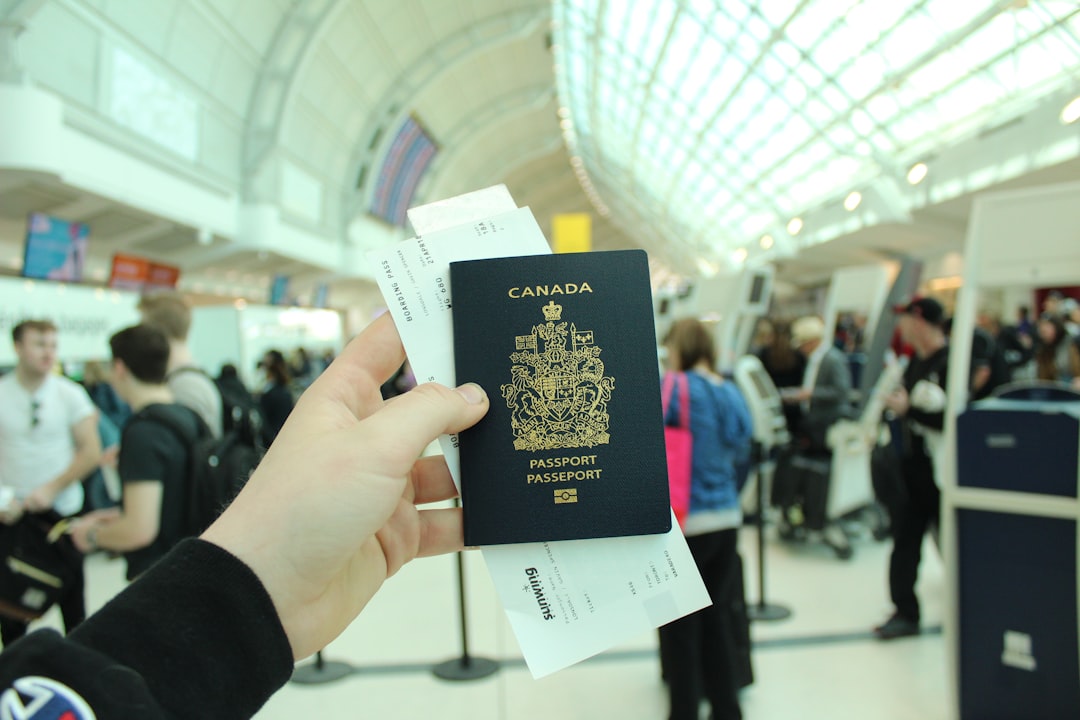
In everyday language, people say “student visa Canada,” but the main immigration document for studying in Canada is the study permit. Depending on your nationality, you may also need a visitor visa (TRV) or an eTA to enter Canada.
The study permit is what authorizes you to study in Canada. The TRV/eTA is the travel document used at the border. Many applicants confuse the two—don’t. You can be approved for a study permit and still need the correct travel authorization to actually board your flight and enter Canada.
Shortcut mental model: Study permit = permission to study. TRV/eTA = permission to travel to Canada.
Many international students need a study permit if they plan to study in Canada for more than a short program. Rules can vary by program type and length, so always confirm with official guidance and your school.
If your plan includes a full diploma, degree, or long-term academic program, assume you’ll need a study permit and start early. Canadian processing timelines can be manageable—until intake season hits.
Requirements can differ by country and applicant profile, but most study permit applications revolve around the same pillars:
Here’s what matters in practice: your documents should tell one consistent story. Same program start dates, same funding source, same academic purpose. Inconsistent applications get slowed down.
Your LOA is the foundation. Confirm your program details, intake date, and any conditions (for example, deposit payment, prerequisites, or language requirements). If there’s a deadline, treat it like a real deadline.
Proof of funds is not just “show money.” You want a clean, believable plan: where the money comes from, how it will be used, and whether it covers the expected timeline. If you’re sponsored, the relationship and sponsorship logic should be easy to understand.
Most applications are submitted online. Make sure you upload clear scans, readable bank statements, and documents that match the LOA details. Low-quality files and missing pages create delays.
If biometrics are required, book your appointment quickly. Waiting to book can push your timeline back more than you expect.
Some applications trigger additional steps. Respond fast and keep your answers consistent with the original application.
After approval, review what you receive and any conditions. If you need a TRV or eTA, ensure it is issued correctly for your travel plan.
“Canada student visa processing time” varies by application volume, country, and season. It can change quickly. The safest approach is to apply early for your intended intake and build buffer time for biometrics and any extra document requests.
If your program starts soon and you’re still collecting documents, you’re already in the danger zone. Canada study permit applications go smoother when they’re submitted as a complete package rather than a rushed one.
Many students choose Canada partly because work opportunities during and after study can be possible depending on your permit conditions and current policies. The rules can be specific and may change, so treat your school’s international office as your first stop for clarity.
Your first week in Canada is usually paperwork-heavy: housing, campus orientation, banking, transit cards, and setting up a local phone/data plan. It’s the worst time to be offline.
If your phone supports eSIM, Zetsim can help you get connected quickly so you can navigate, message your landlord, and access school emails right after landing. Many students keep their home SIM active for important OTPs while using an eSIM for data.
Refusals are not always about one missing paper. Often it’s about overall credibility: the plan doesn’t add up, or the application raises questions the documents don’t answer. Common issues include:
The fix is usually simple: make your story easy to understand. If an officer has to “guess” what you mean, you’re taking a risk.
Many people say “student visa,” but the main document to study is the study permit. Depending on your nationality, you may also need a TRV or an eTA to travel to Canada.
Do I need a study permit for short courses in Canada?It depends on the course length and your situation. Short programs may have different requirements. Check official IRCC guidance and confirm with your school.
What are Canada student visa requirements?Common requirements include a Letter of Acceptance from a DLI, proof of funds, a valid passport, application forms, and biometrics if required. Some applicants also need a medical exam depending on circumstances.
How long does Canada student visa processing take?Processing times vary by country, season, and application volume. Use the IRCC processing time tool and apply early to allow time for biometrics and any additional requests.
Can I work while studying in Canada?Work permissions depend on your study permit conditions and current policies. Always follow the conditions on your permit and confirm rules with your school’s international office and IRCC guidance.
What should I do after I arrive in Canada as a student?Complete your school check-in steps, set up local banking and a phone/data connection, confirm housing details, and keep your study documents organized. Staying connected makes these first-week tasks much easier.
Educational content only. Immigration policies and requirements can change and depend on your circumstances. Always verify details using official IRCC resources and your school’s international student office.
Compare the best mobile phone plans in the USA—unlimited, prepaid, family, and no-contract. Pick a plan that fits your data, coverage, and budget.
Discover more

Explore cheap places to live in the USA with practical tips on rent, jobs, and daily costs—plus how to stay connected for less with UnlimitMobile.
Discover more

Understand the US medical care system—insurance, costs, access, ER vs urgent care, reforms, and practical tips for visitors and residents.
Discover more

Move to the UK with confidence in 2026. Discover visas, housing, healthcare, jobs, student life, cost of living, banking, and essential tips for students & expats.
Discover more
Need a SIM card for expats moving to USA with no SSN or credit check? Unlimit Mobile offers instant activation, no contracts, and 5G coverage from day one.
Discover more
Get a group SIM discount for students with 5 friends and save up to 50%. Unlimit Mobile offers no-contract prepaid plans for the USA, Canada & UK. Activate instantly.
Discover more
Get a UK SIM card for international students with no contract, no credit check & instant eSIM activation. Stay connected from day one with Unlimit Mobile.
Discover more

Find the cheapest prepaid SIM card UK for students. Unlimit Mobile offers no-contract, instant eSIM activation with local UK numbers — even before you land.
Discover more

eSIM vs physical SIM for international students — compare your best options for Canada, UK & USA. Get a local number before you land with Unlimit Mobile.
Discover more
eSIM vs physical SIM for international students — compare your best options for Canada, UK & USA. Get a local number before you land with Unlimit Mobile.
Discover more