
Company News
Best Mobile Phone Plans in USA (2026 Guide)
Compare the best mobile phone plans in the USA—unlimited, prepaid, family, and no-contract. Pick a plan that fits your data, coverage, and budget.
Discover more


Grocery shopping in Canada is straightforward once you understand the store types, local habits, and a few “quiet rules” that catch visitors off guard (like paid bags in many places, loyalty pricing, and how quickly costs can vary by neighborhood).
This guide is designed for travelers, newcomers, and anyone living temporarily in Canada who wants practical answers: where to shop, what to buy, how to save money, and how to avoid common checkout surprises.
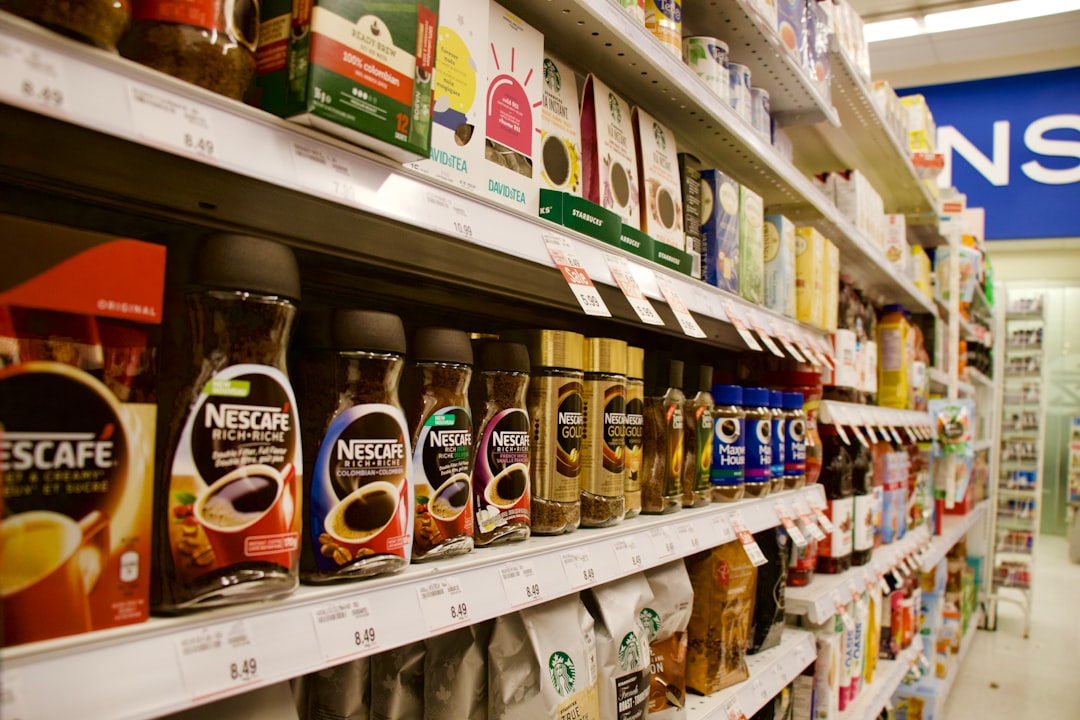
When people say “supermarkets in Canada,” they’re usually talking about a mix of large grocery chains, discount grocers, warehouse clubs, neighborhood stores, and specialty markets. Each one plays a different role.
Practical takeaway: In Canada, “closest” can mean “most expensive.” If you can access a discount or warehouse option, your weekly grocery cost can drop fast.
Many Canadian cities and retailers encourage reusable bags. It’s common to pay for bags or be asked if you brought your own. If you’re staying more than a few days, buy a reusable bag early and keep it with you.
Some stores display regular prices and loyalty-member prices. For travelers, this can feel confusing because the shelf label may show a better price that requires a membership or app. If you don’t want to register, focus on flyers, generic promotions, and store brands.
Downtown convenience and small-format stores can be significantly pricier than larger supermarkets outside the core. If you’re in a big city and you have a subway or bus pass, a short transit ride can pay for itself in grocery savings.
If you’re building a temporary kitchen setup—hotel kitchenette, Airbnb, student housing—these are the easiest items to buy without overthinking:
Quiet money saver: Frozen vegetables and pantry staples often deliver the best cost-per-meal, especially in winter.
Grocery costs can add up quickly, especially in tourist-heavy areas. These tactics are simple, repeatable, and don’t require becoming a “coupon expert.”
Most Canadian supermarkets accept major credit and debit cards. Some stores also support mobile wallets. If you’re new to Canada, a reliable connection helps you manage banking logins, transaction alerts, and verification steps.
Store hours can vary widely, especially on holidays, and Google Maps isn’t always perfect in real time. Reliable data makes the basics easy: searching “grocery stores near me,” checking hours, navigating by transit, and comparing options quickly.
If your phone supports eSIM, Zetsim can help you stay connected in Canada so you can find nearby supermarkets, confirm store hours, and navigate without relying on public Wi‑Fi.
This list works well for short stays, road trips, ski trips, or longer city visits. It’s not fancy. It’s effective.
If you’re in cold weather: add lip balm and moisturizer to your basket. Canada’s dry winter air is not polite to skin.
Canada has full-service supermarkets, discount grocers, warehouse clubs, smaller urban grocery stores, ethnic markets, and convenience stores. Each serves a different budget and shopping style.
Are groceries expensive in Canada?Costs vary by city and neighborhood. Downtown small-format stores are often pricier. Discount grocers, store brands, and seasonal produce usually provide the best value.
Do I need to bring reusable bags to Canadian supermarkets?In many places, yes. Some stores charge for bags or encourage reusable options. Buying a reusable bag early is a simple way to avoid repeated bag fees.
How do I find grocery stores near me in Canada?Use maps and search “grocery stores near me” to compare options, check hours, and navigate. Mobile data is helpful for real-time directions and holiday-hour changes.
Do Canadian supermarkets accept international cards?Many accept major credit and debit cards, though acceptance and verification can vary by issuer. Carry a backup payment method if you’re traveling.
Why would I need an eSIM for grocery shopping in Canada?A travel eSIM helps you stay connected for store hours, transit directions, digital receipts, and payment verification—especially if you don’t want to rely on public Wi‑Fi.
Educational content only. Store policies, pricing, and bag rules vary by province, city, and retailer and can change without notice.
Compare the best mobile phone plans in the USA—unlimited, prepaid, family, and no-contract. Pick a plan that fits your data, coverage, and budget.
Discover more

Explore cheap places to live in the USA with practical tips on rent, jobs, and daily costs—plus how to stay connected for less with UnlimitMobile.
Discover more

Understand the US medical care system—insurance, costs, access, ER vs urgent care, reforms, and practical tips for visitors and residents.
Discover more

Move to the UK with confidence in 2026. Discover visas, housing, healthcare, jobs, student life, cost of living, banking, and essential tips for students & expats.
Discover more
Need a SIM card for expats moving to USA with no SSN or credit check? Unlimit Mobile offers instant activation, no contracts, and 5G coverage from day one.
Discover more
Get a group SIM discount for students with 5 friends and save up to 50%. Unlimit Mobile offers no-contract prepaid plans for the USA, Canada & UK. Activate instantly.
Discover more
Get a UK SIM card for international students with no contract, no credit check & instant eSIM activation. Stay connected from day one with Unlimit Mobile.
Discover more

Find the cheapest prepaid SIM card UK for students. Unlimit Mobile offers no-contract, instant eSIM activation with local UK numbers — even before you land.
Discover more

eSIM vs physical SIM for international students — compare your best options for Canada, UK & USA. Get a local number before you land with Unlimit Mobile.
Discover more
eSIM vs physical SIM for international students — compare your best options for Canada, UK & USA. Get a local number before you land with Unlimit Mobile.
Discover more