
Company News
Best Mobile Phone Plans in USA (2026 Guide)
Compare the best mobile phone plans in the USA—unlimited, prepaid, family, and no-contract. Pick a plan that fits your data, coverage, and budget.
Discover more


Transportation in the United States
The United States is huge. The best way to move around depends on distance, city design, and how much flexibility you want. This guide breaks down public transport in the USA, trains, buses, flights, rideshares, and driving—plus practical tips that travelers actually use.
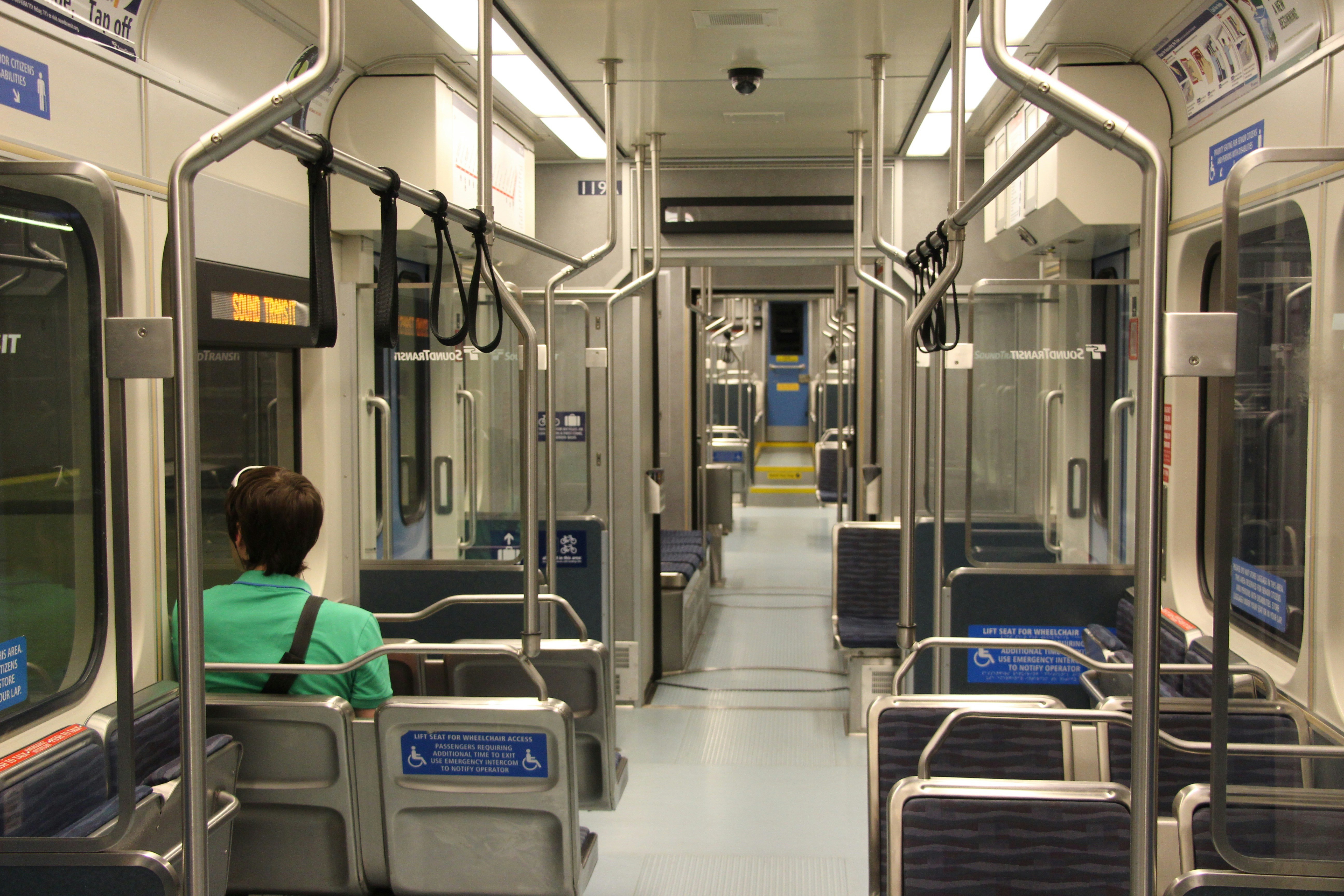
If you only remember one thing, make it this. In practice, the USA works like this:
The “best public transport in USA” is strongly city-dependent. New York is built for transit. Many other places are built for cars. That’s not a value judgment—just the layout.
Big US cities often have a mix of subway/metro, city buses, and commuter trains. Coverage can be excellent in the core and thinner in the suburbs. Service frequency also varies by time of day.
Subways are usually the fastest way to cross a dense city. They also skip traffic—always a win during rush hour. If you’re planning a multi-day stay, look for day passes or reloadable transit cards (systems vary by city).
Buses fill the gaps where rail doesn’t reach. They’re also good for routes that go straight across neighborhoods (instead of radiating to a central hub). The tradeoff: buses get stuck in traffic, so times can be less predictable.
Many metro areas have commuter trains connecting downtown with surrounding towns. For visitors, this can be perfect for day trips—just watch the schedule, because some lines reduce service late at night.
US passenger rail is a very specific tool: great on certain corridors, slower (but scenic) on long-distance routes. If you want to avoid the stress of airports, trains can be a comfortable alternative—especially in the Northeast.
If you’re choosing rail transport in USA for a big holiday route, book earlier when possible. Popular dates can fill up, and prices can climb.
Intercity buses are common between major cities and many smaller towns. They’re usually budget-friendly, and they can be surprisingly convenient. The downside is comfort and speed: a “cheap and direct” route can still be long, and delays happen.
The USA is built for flying long distances. If you’re crossing multiple states, flying is often the only way to keep your trip feeling like a vacation instead of a commute.
Rideshare is widely used in the United States and often the easiest way to cover “awkward” routes—like late-night trips, suburban areas, or places with limited public transport. It’s also the fastest option when you don’t want to navigate an unfamiliar transit system.
If your plan includes national parks, scenic routes, beach towns, or multiple stops outside major city centers, driving can be the most practical option. In some regions, it’s not just convenient—it’s essential.
City driving can be frustrating—traffic, parking, one-way streets, and strict signage rules. Road trips are where driving shines: open highways, flexible stops, and the classic “pull over when something looks cool” vibe.

Transport days can quietly eat your trip if you don’t plan them like real “activities.” Here’s a clean system:
In the United States, transport runs on your phone: directions, platform changes, delays, QR tickets, parking payments, rideshare pickup points—the works. Losing data in the middle of a transfer isn’t “annoying.” It can derail the day.
If you’re traveling internationally, Zetsim can help you stay online for maps and bookings while you move between cities and states.
It depends on where you are. In dense cities, public transport in the USA (metro + buses) is often easiest. Between regions, flights save time. For national parks and smaller towns, a rental car is usually the most practical choice.
Does the USA have good public transportation?Some cities do—especially older, denser metro areas. Others are more car-dependent. “Transportation in United States” varies by city, so plan by destination rather than assuming one national system.
Is rail transport in the USA a good alternative to flying?Sometimes. Trains can be excellent for certain corridors and city-center travel, and they can be more relaxed than airports. For very long distances, flying is typically much faster.
Are buses safe and reliable for travel in the USA?Intercity buses are widely used and can be a cost-effective option. Reliability depends on route and traffic, so it’s smart to build buffer time—especially if you’re connecting to a flight or timed event.
Do I need a car in the USA?Not always. In cities like New York, you can easily skip a car. But for many itineraries—road trips, parks, and smaller destinations—driving provides the flexibility public transport can’t.
What should I download for getting around the USA?A maps app, your city’s transit app (if available), and any ticketing or parking apps you plan to use. Having mobile data matters for live arrivals and reroutes—this is where a travel data option like Zetsim can be useful.
How can I avoid getting lost when using public transport in the USA?Use real-time navigation, confirm the direction of travel before boarding, and screenshot critical steps (platform number, stop name) in case service drops. If you’re relying on your phone, keep data available for updates and changes.
Compare the best mobile phone plans in the USA—unlimited, prepaid, family, and no-contract. Pick a plan that fits your data, coverage, and budget.
Discover more

Explore cheap places to live in the USA with practical tips on rent, jobs, and daily costs—plus how to stay connected for less with UnlimitMobile.
Discover more

Understand the US medical care system—insurance, costs, access, ER vs urgent care, reforms, and practical tips for visitors and residents.
Discover more

Move to the UK with confidence in 2026. Discover visas, housing, healthcare, jobs, student life, cost of living, banking, and essential tips for students & expats.
Discover more
Need a SIM card for expats moving to USA with no SSN or credit check? Unlimit Mobile offers instant activation, no contracts, and 5G coverage from day one.
Discover more
Get a group SIM discount for students with 5 friends and save up to 50%. Unlimit Mobile offers no-contract prepaid plans for the USA, Canada & UK. Activate instantly.
Discover more
Get a UK SIM card for international students with no contract, no credit check & instant eSIM activation. Stay connected from day one with Unlimit Mobile.
Discover more

Find the cheapest prepaid SIM card UK for students. Unlimit Mobile offers no-contract, instant eSIM activation with local UK numbers — even before you land.
Discover more

eSIM vs physical SIM for international students — compare your best options for Canada, UK & USA. Get a local number before you land with Unlimit Mobile.
Discover more
eSIM vs physical SIM for international students — compare your best options for Canada, UK & USA. Get a local number before you land with Unlimit Mobile.
Discover more