
Company News
Best Mobile Phone Plans in USA (2026 Guide)
Compare the best mobile phone plans in the USA—unlimited, prepaid, family, and no-contract. Pick a plan that fits your data, coverage, and budget.
Discover more


Driving in Canada is an essential part of daily life for millions of residents and visitors due to the country’s vast geography, dispersed cities, and limited public transportation outside major urban centers. Covering nearly 9.98 million square kilometers, Canada has one of the largest road networks in the world, with over 1.2 million kilometers of public roads connecting provinces, territories, and remote regions. For travelers, international students, temporary workers, and immigrants, understanding the rules and systems surrounding Driving in Canada is critical for safety and legal compliance.
Canada is known for its high driving standards, well-marked roads, and strict enforcement of traffic laws. However, since driving regulations are managed at the provincial and territorial level, requirements such as licensing, insurance, speed limits, and penalties can vary. This comprehensive guide to Driving in Canada explains the types of Canadian driving licenses, foreign license rules, documentation, traffic laws, tolls, fuel, parking, car rentals, and expert driving tips in extensive detail.
Driving licenses in Canada are issued by individual provinces and territories rather than a central federal authority. Each region has its own graduated licensing system, designed to ensure that drivers gain experience progressively. Understanding licence types is a core requirement for anyone planning on Driving in Canada, whether temporarily or permanently.
Canada uses a graduated licensing system in most provinces, typically divided into three main stages. The first stage is a Learner’s License, which allows new drivers to operate a vehicle only under supervision and with strict restrictions such as zero alcohol tolerance and limited driving hours. This stage usually lasts 8 to 12 months, depending on the province.
The second stage is a Probationary or Intermediate License, which allows unsupervised driving but still includes restrictions, such as limits on passengers or alcohol consumption. After successfully completing this stage—often lasting 12 to 24 months—drivers qualify for a Full (Unrestricted) Licence, which allows complete driving privileges. Commercial licenses (such as Class 1, 2, or 3) are issued separately for trucks, buses, and taxis.
Foreign nationals are generally permitted to drive in Canada using a valid foreign driving license for a limited period. In most provinces, tourists may drive for the entire duration of their authorized stay, while new residents are typically allowed to use their foreign license for 60 to 90 days.
The license must be valid, clearly legible, and issued by an official authority. It should include personal identification details and license categories. For uninterrupted Driving in Canada, authorities strongly advise carrying an English or French license or a certified translation to avoid legal or insurance issues during roadside checks.
An International Driving Permit (IDP) is not legally mandatory in all provinces, but it is highly recommended for Driving in Canada, especially for drivers whose licenses are not in English or French. The IDP acts as an internationally recognized translation and is accepted in over 150 countries.
Many Canadian car rental companies require an IDP before releasing a vehicle to international drivers. The IDP is typically valid for 12 months and must always be carried alongside the original license. Possessing an IDP significantly reduces delays, misunderstandings, and potential fines.
New residents planning to live in Canada long term must usually exchange their foreign license within 60 to 90 days. Canada has reciprocal license exchange agreements with more than 40 countries, including the United States, the United Kingdom, Germany, Australia, Japan, and South Korea.
Drivers from reciprocal countries can often exchange their license without a road test, while others may need to pass a written knowledge exam, vision screening, and practical driving test. Successfully exchanging your license allows unrestricted and permanent Driving in Canada.
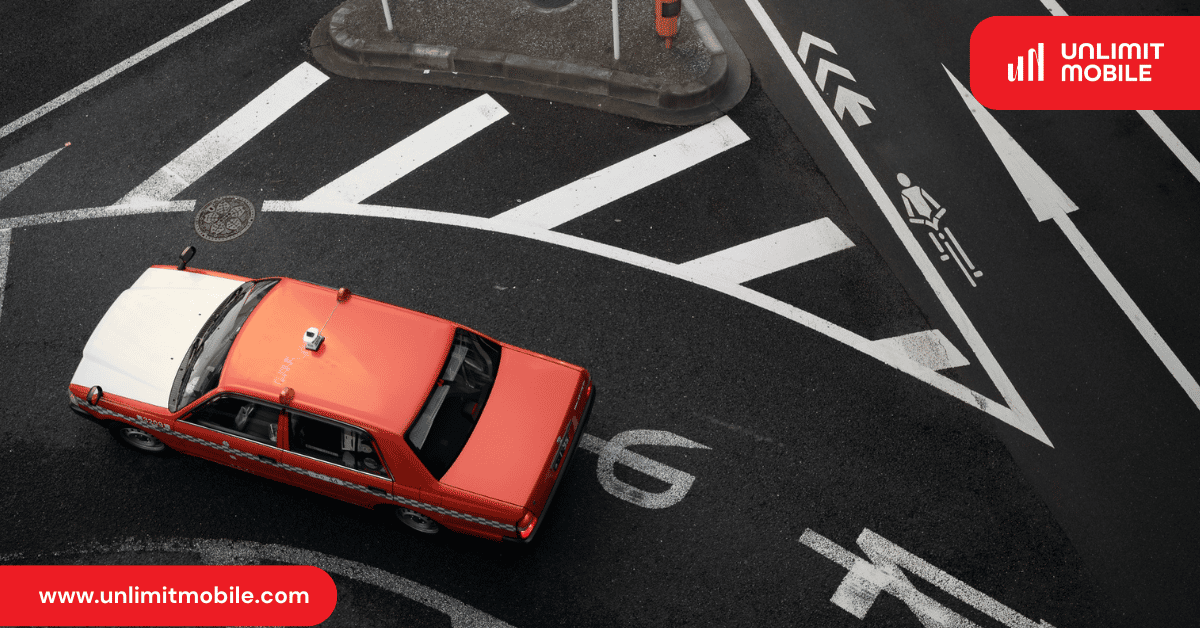
To legally operate a vehicle in Canada, drivers must carry specific documents at all times. These requirements apply equally to citizens, residents, and visitors engaged in Driving in Canada. Law enforcement officers may request documentation during traffic stops, accidents, or routine checks.
Mandatory documents include a valid driving license, proof of vehicle registration, and proof of auto insurance. Auto insurance is compulsory in every province, with minimum third-party liability coverage generally ranging from CAD 200,000 to CAD 500,000. Driving without insurance can result in fines exceeding CAD 5,000, license suspension, vehicle seizure, and increased future insurance premiums.
Traffic laws in Canada are designed to minimize accidents and ensure the safety of drivers, passengers, cyclists, and pedestrians. Understanding these rules is essential for safe and lawful Driving in Canada, particularly for international drivers unfamiliar with North American road systems.
Canada follows right-hand traffic rules, meaning vehicles drive on the right and pass on the left. Seatbelts are mandatory for all occupants, including rear-seat passengers, and child safety seat laws are strictly enforced based on age, height, and weight.
Drivers must come to a complete stop at stop signs for at least 3 seconds and must always yield to pedestrians at both marked and unmarked crosswalks. Violations can result in fines between CAD 100 and CAD 500, along with demerit points that affect insurance costs.
Speed limits in Canada are posted in kilometers per hour (km/h) and vary by road type. Residential areas usually allow 40–50 km/h, city roads 60–80 km/h, and highways 100–110 km/h.
In school zones, construction zones, and winter conditions, lower speed limits apply, and fines are often doubled. Automated speed cameras and radar enforcement are common, making compliance essential for Driving in Canada.
Canada enforces some of the strictest distracted and impaired driving laws globally. Handheld mobile phone use, including texting and browsing, is illegal nationwide. Only approved hands-free devices are allowed, and misuse can still result in penalties.
The legal blood alcohol concentration limit is 0.08%, but many provinces enforce zero-tolerance (0.00%) rules for novice and commercial drivers. Penalties can include fines exceeding CAD 1,000, immediate license suspension, vehicle impoundment, and criminal charges.
Traffic signs in Canada are standardized and rely heavily on symbols to ensure universal understanding. Regulatory signs indicate legal requirements, warning signs highlight hazards, and informational signs guide drivers.
Signs may appear in English, French, or both, particularly in Quebec. Familiarity with traffic signage is essential for compliant Driving in Canada.
Canada has relatively few toll roads compared to many developed countries, but fuel planning remains critical due to long driving distances between cities and regions.
Tolls exist mainly in specific locations, such as Ontario’s Highway 407 and certain bridges and tunnels. Most national highways, including the Trans-Canada Highway, are toll-free.
As a result, long-distance Driving in Canada is generally more affordable than in countries with extensive toll networks.
Most toll roads operate electronically using transponders or license-plate recognition systems. Vehicles without transponders receive bills by mail, often with administrative fees.
Rental cars may include toll programs that automatically charge tolls to the renter, usually with added service fees.
Toll costs vary based on distance, vehicle type, and time of day. On Highway 407, tolls can range from CAD 0.30 to over CAD 1.00 per kilometer, with higher rates during peak hours.
Planning routes in advance helps reduce toll expenses while driving in Canada.
Canada offers regular gasoline, premium gasoline, diesel, and an expanding electric vehicle charging network. Fuel prices are measured per liter and vary by province due to taxes and supply.
Average fuel prices typically range from CAD 1.40 to CAD 2.00 per liter, with higher prices in remote regions.
Parking regulations are strictly enforced across Canada, especially in metropolitan areas. Understanding parking rules is an important part of Driving in Canada, as violations can result in fines or towing.
Parking options include street parking, municipal parking lots, private garages, and residential permit zones. Street parking often has time limits ranging from 15 minutes to 3 hours, clearly posted on nearby signs.
Parking in fire zones, bus lanes, or without permits can result in immediate fines or towing.
Parking costs vary widely by city. Smaller towns may offer free parking, while major cities charge CAD 3–6 per hour for street parking.
Daily parking in downtown garages can cost CAD 20–40, making parking a significant expense for urban drivers.
Car rentals are one of the most convenient ways for visitors and short-term residents to experience Driving in Canada, especially given the country’s size and limited intercity public transportation. Rental agencies are widely available at airports, downtown centers, and tourist areas, offering vehicles ranging from compact economy cars to SUVs, minivans, and pickup trucks suitable for long-distance and winter driving.
Most rental companies require drivers to be at least 21 years old, although drivers under 25 often pay a young driver surcharge of CAD 15–30 per day. A valid driving license and credit card are mandatory, and an International Driving Permit may be required for foreign licenses. Insurance is compulsory, with optional add-ons such as collision damage waivers, roadside assistance, and winter tire packages commonly offered.

Driving conditions in Canada vary significantly by season and region, making preparation essential. Winters can be severe, with temperatures dropping below -30°C in some provinces and snowfall exceeding 300 centimeters annually in certain areas. Winter tires are mandatory in parts of Canada and strongly recommended nationwide for safety and insurance compliance.
Drivers should maintain emergency kits, increase following distances, and reduce speed during snow or ice. Wildlife collisions are common in rural regions, particularly at dawn and dusk. Planning routes, monitoring weather forecasts, and adapting driving behavior are crucial for safe Driving in Canada throughout the year.
Driving in Canada offers exceptional flexibility and access to vast landscapes, economic hubs, and remote regions. However, it also comes with clearly defined legal responsibilities, strict enforcement, and regional differences that drivers must understand. From license types and documentation to traffic laws, tolls, fuel, parking, rentals, and seasonal challenges, preparation is essential.
By following the detailed guidance in this article and respecting provincial regulations, drivers can enjoy a safe, lawful, and confident experience while Driving in Canada, whether visiting temporarily or settling permanently.
Compare the best mobile phone plans in the USA—unlimited, prepaid, family, and no-contract. Pick a plan that fits your data, coverage, and budget.
Discover more

Explore cheap places to live in the USA with practical tips on rent, jobs, and daily costs—plus how to stay connected for less with UnlimitMobile.
Discover more

Understand the US medical care system—insurance, costs, access, ER vs urgent care, reforms, and practical tips for visitors and residents.
Discover more

Move to the UK with confidence in 2026. Discover visas, housing, healthcare, jobs, student life, cost of living, banking, and essential tips for students & expats.
Discover more
Need a SIM card for expats moving to USA with no SSN or credit check? Unlimit Mobile offers instant activation, no contracts, and 5G coverage from day one.
Discover more
Get a group SIM discount for students with 5 friends and save up to 50%. Unlimit Mobile offers no-contract prepaid plans for the USA, Canada & UK. Activate instantly.
Discover more
Get a UK SIM card for international students with no contract, no credit check & instant eSIM activation. Stay connected from day one with Unlimit Mobile.
Discover more

Find the cheapest prepaid SIM card UK for students. Unlimit Mobile offers no-contract, instant eSIM activation with local UK numbers — even before you land.
Discover more

eSIM vs physical SIM for international students — compare your best options for Canada, UK & USA. Get a local number before you land with Unlimit Mobile.
Discover more
eSIM vs physical SIM for international students — compare your best options for Canada, UK & USA. Get a local number before you land with Unlimit Mobile.
Discover more