Company News
Best Mobile Phone Plans in USA (2026 Guide)
Compare the best mobile phone plans in the USA—unlimited, prepaid, family, and no-contract. Pick a plan that fits your data, coverage, and budget.
Discover more


If you’re moving to the U.S., studying, relocating for work, or traveling long-term, banking becomes a practical problem fast. The phrase international banks in the USA can mean a few different things: a foreign bank with a U.S. branch, a global bank with cross-border services, or a U.S. bank that’s “international-friendly.” This guide explains the differences, what documents you typically need to open an account, and how to avoid expensive surprises with transfers, cards, and ATMs.
People often search for international bank in America when what they really want is “a bank that makes cross-border life easy.” In practice, there are three common models:
These are foreign banks in the USA that operate branches, agencies, or subsidiaries in the U.S. They may be strong for international business clients, wealth management, or corporate services. Retail availability depends on the bank and location.
Some large banks operate globally and offer a mix of retail banking, international transfer tools, and multi-currency services (features vary). These can be useful if you travel frequently.
A bank doesn’t have to be foreign to be practical for international needs. What matters is the fee structure, transfer experience, card acceptance, and support for non-traditional documentation.
Bottom line: Instead of chasing the biggest global brand, pick a bank based on your real use case: salary deposits, paying rent, receiving international transfers, travel spending, or business payments.
Requirements vary, but most U.S. banks will ask for some combination of identity, address, and tax/immigration-related information. Don’t assume you can open everything online as a new arrival.
Banks may request additional documents for identity verification or compliance checks. If you’re newly arrived, ask what alternatives they accept for proof of address before you visit a branch.
If your goal is truly international banks in the USA that work well for cross-border life, compare these features carefully:
| Feature | Why it matters | What to check |
|---|---|---|
| Monthly account fees | Can quietly add up over a year | Waivers for direct deposit, minimum balance, student status |
| ATM access & fees | ATM fees stack fast while traveling | In-network ATM list, reimbursements, foreign ATM charges |
| International transfers | Speed and total cost vary widely | Wire fees, FX markup, transfer limits, tracking |
| Card usage abroad | Trips get expensive with bad card terms | Foreign transaction fees, fraud handling, app controls |
| Customer support | Critical when something breaks | 24/7 support, chat availability, branch access |
| Account opening | Friction matters as a newcomer | In-branch vs online, address requirements, time to approval |
Fast evaluation tip: If a bank’s fee schedule is hard to find, that’s not a great sign. Transparent banks make fees easy to understand.
Transfers often look simple until you pay twice: once in fees and again in exchange rate markup. If you’re funding a U.S. account from overseas, compare the all-in cost.
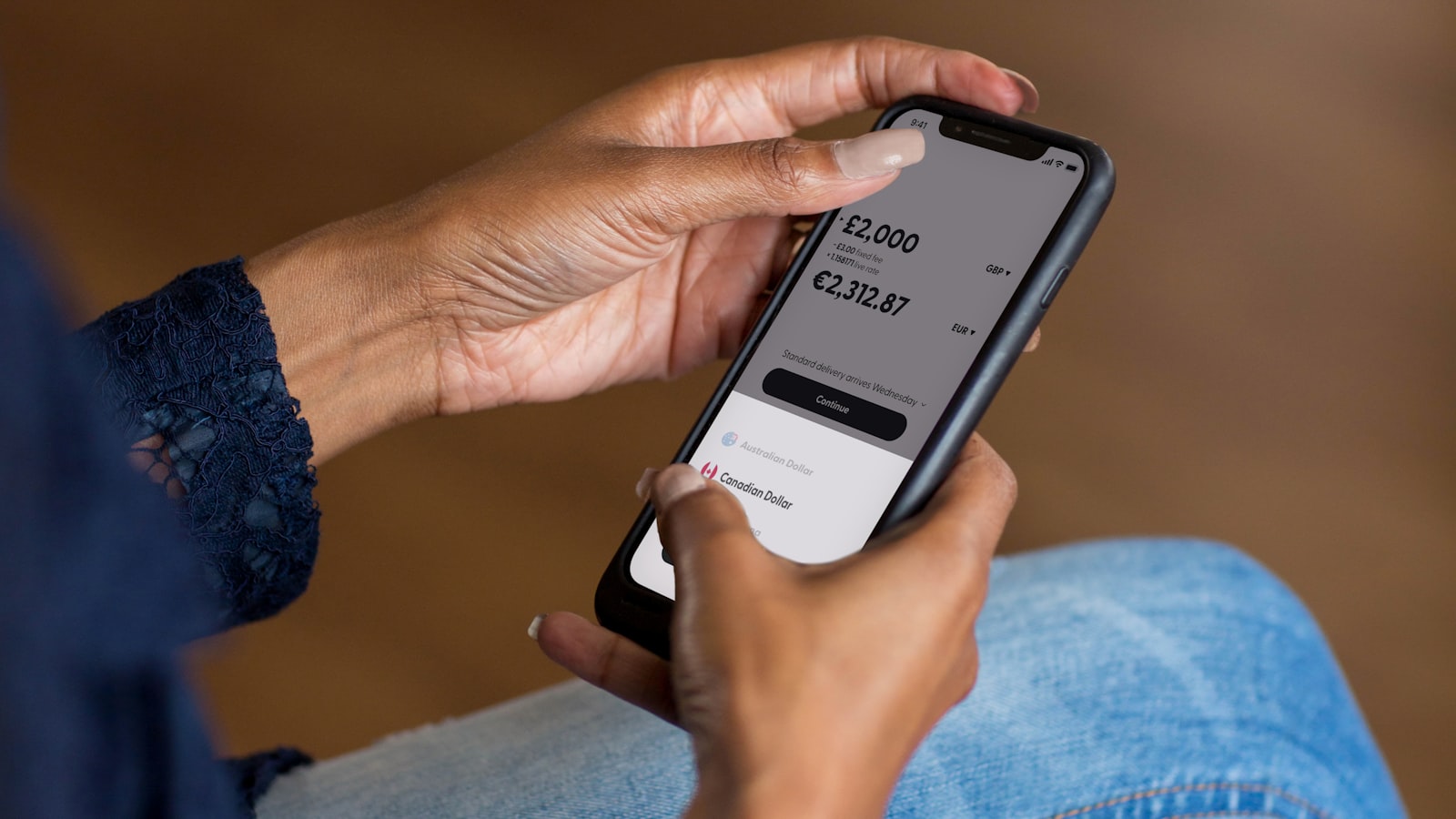
Even if you rarely use cash, you’ll likely need an ATM at some point—especially when you’re new in the country. For travelers, the combination of ATM fees and poor FX can be the most avoidable expense.
Modern banking depends on mobile verification—logins, fraud alerts, one-time codes, and identity checks. If you’re visiting the U.S. or relocating, unreliable data can lock you out at the worst time.
Zetsim can help with a travel eSIM so you can stay online for banking verification, transfers, and card security controls—especially on arrival day when you’re setting up everything.
It can refer to foreign banks with U.S. branches or subsidiaries, global banks that operate across countries, or U.S. banks that offer international-friendly services like transfers, strong travel card features, and accessible support.
Can a foreigner open a bank account in the USA?Often yes, but requirements vary by bank. Many banks request government-issued ID, proof of address, and tax identification depending on your situation. Some banks prefer in-branch account opening for new arrivals.
What should I check before choosing a global bank in the USA?Compare monthly fees, ATM access and reimbursements, international transfer costs (including exchange rate markup), card foreign transaction fees, and customer support availability.
Are international transfers cheaper with a bank?Not always. The total cost includes fees and exchange rate margin. Compare the all-in delivered amount, not just the headline fee. For large transfers, test with a small amount first.
Do international banks have better ATM access?Some do, depending on their U.S. network and partnerships. Always verify in-network ATM availability where you live or travel, and check reimbursement policies.
How can Zetsim help with banking in the USA?Banking apps often require verification codes and real-time security approvals. Zetsim eSIM data can help you stay connected for transfers, logins, and fraud alerts—especially when you’re traveling or setting up accounts after arriving.
Compare the best mobile phone plans in the USA—unlimited, prepaid, family, and no-contract. Pick a plan that fits your data, coverage, and budget.
Discover more

Explore cheap places to live in the USA with practical tips on rent, jobs, and daily costs—plus how to stay connected for less with UnlimitMobile.
Discover more

Understand the US medical care system—insurance, costs, access, ER vs urgent care, reforms, and practical tips for visitors and residents.
Discover more

Move to the UK with confidence in 2026. Discover visas, housing, healthcare, jobs, student life, cost of living, banking, and essential tips for students & expats.
Discover more
Need a SIM card for expats moving to USA with no SSN or credit check? Unlimit Mobile offers instant activation, no contracts, and 5G coverage from day one.
Discover more
Get a group SIM discount for students with 5 friends and save up to 50%. Unlimit Mobile offers no-contract prepaid plans for the USA, Canada & UK. Activate instantly.
Discover more
Get a UK SIM card for international students with no contract, no credit check & instant eSIM activation. Stay connected from day one with Unlimit Mobile.
Discover more

Find the cheapest prepaid SIM card UK for students. Unlimit Mobile offers no-contract, instant eSIM activation with local UK numbers — even before you land.
Discover more

eSIM vs physical SIM for international students — compare your best options for Canada, UK & USA. Get a local number before you land with Unlimit Mobile.
Discover more
eSIM vs physical SIM for international students — compare your best options for Canada, UK & USA. Get a local number before you land with Unlimit Mobile.
Discover more