
Company News
Biggest USA Cities: Top US Cities by Population
Explore the biggest USA cities by population, how they differ from metro areas, and practical travel tips for America’s largest urban centers.
Discover more


“USA mobile numbers” sounds simple until you actually need one—then you run into area codes, country codes, 10-digit formats, texting quirks, verification codes, and the awkward question: is this a mobile line or a landline? In practice, most people just want one thing: a US phone number that works reliably for calls, texts, and everyday sign-ups.
This guide breaks down how American cell phone numbers are structured, how they’re assigned, what area codes really mean, and the common pitfalls when you’re trying to use a US number for travel, business, or staying reachable.
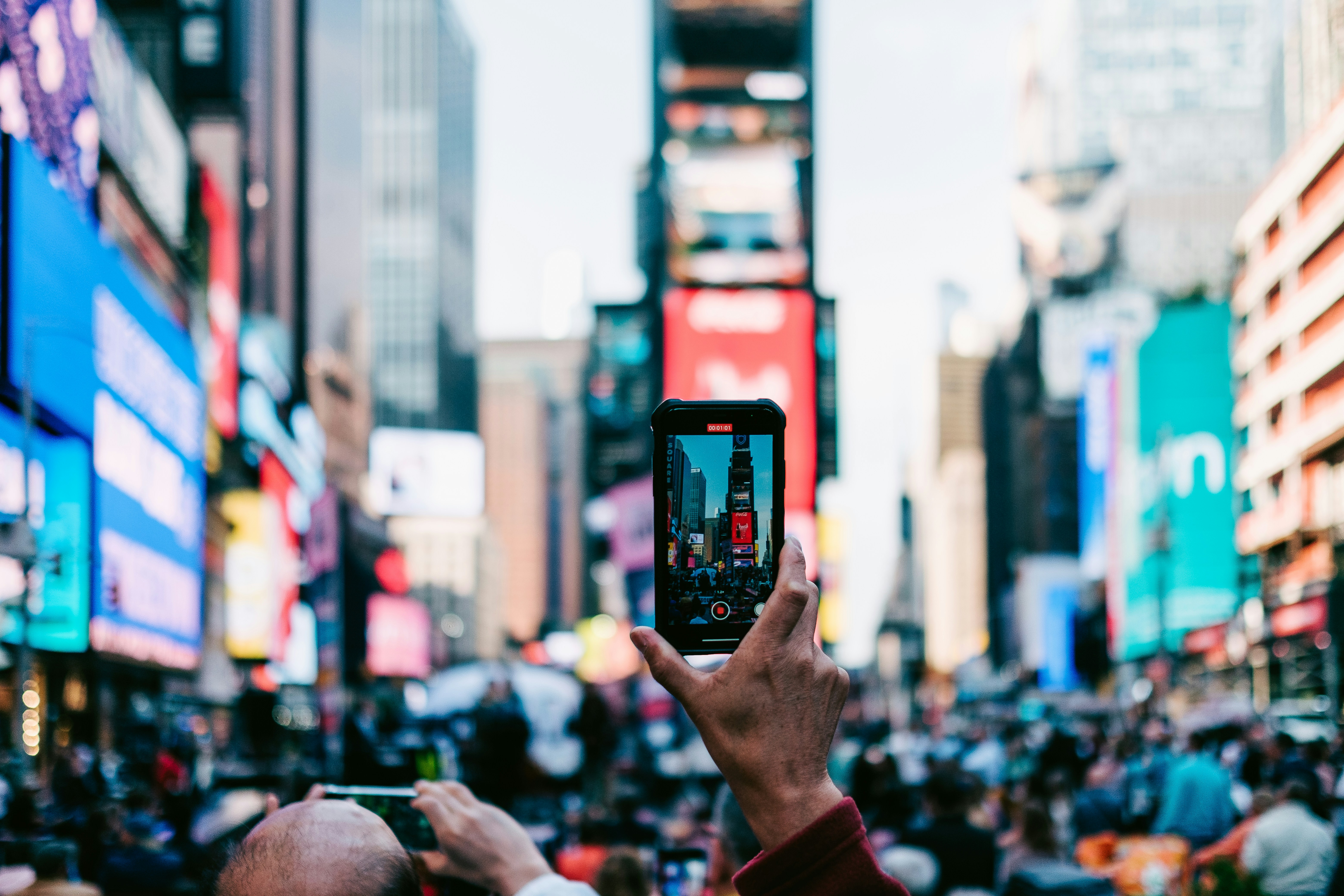
Quick takeaway: Most USA phone numbers follow a 10-digit format (NPA-NXX-XXXX) inside the country, and +1 internationally. Area codes tell you a lot—just not always what you think.
The US numbering system was built long before smartphones and apps. It was designed around regions, switches, and routing efficiency. And while the tech behind it has modernized, the format stayed stubbornly familiar—because changing national numbering rules is a nightmare.
That history explains a weird modern reality: a number that looks like it belongs to New York might be used by someone living in Arizona. Number portability and digital onboarding broke the “you live where your area code is” assumption. People still judge you by it, though. That part hasn’t evolved.
US phone numbers used to be tied closely to physical lines. Then mobile took over. Now, for many users, their American cell phone number is their identity key for banking alerts, delivery updates, two-factor authentication, and work logins. And yes—losing access to it is a bigger deal than losing a wallet.
People say “mobile number” as if it’s one category. It isn’t. The US has multiple line types that behave differently depending on the provider and how the number was issued.
Mobile numbers are associated with cellular networks. Landlines route through fixed infrastructure. VoIP numbers are commonly tied to internet calling services. Here’s the thing: many websites and banks treat these differently, especially for SMS verification.
A local US number typically means a number with an area code tied to a particular region (even if the user moved). Businesses often prefer local area codes because customers trust them more than unknown prefixes. But individuals often care less—what they want is a number that works on the go.
The standard US phone number format inside the country is:
(NPA) NXX-XXXX
Example format:(212) 555-0123
International format uses the country code: +1 212 555 0123
The first three digits are the area code(NPA). Historically, it mapped to geography. Now it’s more like a “number origin” hint. Because people can port numbers between carriers and keep them for life, the area code is often about where the number was first issued—not where it’s used today.
And yes, many cities have multiple area codes. So if you’re trying to “guess” a caller’s location from a US area code, take it with a grain of salt.
Not reliably by looking at it. A prefix that used to be mobile-only might have been ported. If you need certainty (for compliance, routing, or messaging rules), you typically validate the line type through a lookup process. Most regular users don’t need that. They just need the number to receive calls and texts consistently.
Assignment is controlled through a structured numbering plan. Carriers receive blocks of numbers and then allocate them to customers. That’s why certain area codes and prefixes feel “full” while new overlays pop up.
Portability means you can switch providers and keep your US number. It’s great for consumers. It also means a number’s current network isn’t guaranteed by its prefix. If you’ve ever tried to predict delivery of SMS by carrier, you know how messy that gets.
Most travelers don’t realize how many US services quietly assume you have a reachable number. Delivery drivers call. Hotels text check-in info. Banks send one-time codes. Even a restaurant waitlist can demand a US number.
For businesses, it’s even more direct: a US phone number affects trust, response rates, and the ability to receive customer calls without time zone chaos.
A lot of important messages in the US come via SMS—especially automated alerts and sign-in codes. Some services send from standard long numbers, others use short codes. The experience depends on the type of number you have and how it’s provisioned.
Practical tip: If you’re getting a US number mainly for logins and verification, test it early—before you’re locked out of an account when you’re already on the road.
There’s no one “best” way to get an American phone number. But there are a few checks that save you from frustration later. And yes, frustration is the theme when you pick the wrong setup.
Different use cases push you toward different number types and plan setups. Don’t guess. Decide first.
Many forms accept 10 digits. Some require +1. A few reject parentheses or dashes. It’s annoying. Keep a clean version ready: 2125550123 and +12125550123.
US numbers attract robocalls. That’s not an exaggeration—it’s a daily reality for many users. Use your phone’s spam filtering, be cautious with unknown calls, and don’t share your number publicly unless you have to.
UnlimitMobile is a mobile connectivity brand—so the natural fit here is helping you stay connected when you’re dealing with the US mobile ecosystem. That includes the moments when you land, your apps need data, and you don’t want to waste half a day hunting for a workable setup.
But here’s the honest part: without verified product details available in the provided company knowledge base, it wouldn’t be responsible to claim specific UnlimitMobile features (like “US local number included,” “SMS short code support,” “specific coverage partners,” or “instant activation”) that may or may not apply. If you’re publishing this page, keep it accurate by linking to UnlimitMobile’s official plan pages for the exact inclusions tied to US service and phone-number capability.
Editorial note for compliance: If UnlimitMobile offers US-number add-ons, calling packs, or SMS support as part of its USA plans, document those specifics on the product page and reference them from here. People care about the fine print because verification texts are unforgiving.
Check UnlimitMobile options See support & plan details
They’re phone numbers under the US numbering plan that can be assigned to cellular services. Inside the US they’re typically written as a 10-digit number (area code + local number). Internationally they’re written with the +1 country code.
Carriers receive blocks of numbers associated with specific area codes and prefixes, then assign numbers to customers as lines are activated. Because users can port numbers, the prefix doesn’t always reflect the current carrier.
Anyone who wants to be reachable in the US without friction—travelers, remote workers, international students, and businesses serving US customers. If you use US services that send verification codes, a reliable number matters more than people expect.
They’re managed within the US numbering framework and associated with carriers’ systems for routing and billing. The area code reflects numbering geography, but user location can be different because numbers are portable.
Typically at activation—when a carrier (or service provider) provisions a line for a customer. If you port an existing number, the assignment happens earlier, and the number is simply moved between providers.
Because forms and services often reject the “wrong” format (10 digits vs +1). And if you’re using the number for important accounts, a simple formatting issue can block sign-ups or prevent messages from arriving when you need them most.
Inside the US: NPA-NXX-XXXX(10 digits). International: +1 followed by the same 10 digits. Many people write it as (XXX) XXX-XXXX, but systems often prefer plain digits.
The core format is stable, but area codes can expand through overlays, and messaging rules can evolve. The number of digits is unlikely to change soon, but how numbers are authenticated and protected against fraud can shift over time.
And if your real goal is simple—stay connected in the US without hassle—focus on a setup that matches how you actually communicate: calls, texts, data, or all three. Everything else is just formatting.
Explore the biggest USA cities by population, how they differ from metro areas, and practical travel tips for America’s largest urban centers.
Discover more

Check how the Canada exchange rate to US dollars works, what moves CAD to USD, and how to convert CAD to USD confidently while traveling.
Discover more

Understand USA mobile numbers—format, area codes, how they’re assigned, and what to know when getting a US phone number.
Discover more

Compare US mobile networks by coverage, speed, and value—plus how to pick the right plan with UnlimitMobile.
Discover more

Choose a mobile plan in USA with flexible options for travel, work, or everyday use. Compare SIM vs eSIM, coverage, and data needs with UnlimitMobile.
Discover more

Understand travel health insurance in the USA—what it covers, how to choose limits, and how to stay connected with UnlimitMobile while you travel.
Discover more
Compare the best mobile phone plans in the USA—unlimited, prepaid, family, and no-contract. Pick a plan that fits your data, coverage, and budget.
Discover more

Explore cheap places to live in the USA with practical tips on rent, jobs, and daily costs—plus how to stay connected for less with UnlimitMobile.
Discover more

Understand the US medical care system—insurance, costs, access, ER vs urgent care, reforms, and practical tips for visitors and residents.
Discover more

Move to the UK with confidence in 2026. Discover visas, housing, healthcare, jobs, student life, cost of living, banking, and essential tips for students & expats.
Discover more