
Company News
Biggest USA Cities: Top US Cities by Population
Explore the biggest USA cities by population, how they differ from metro areas, and practical travel tips for America’s largest urban centers.
Discover more


People search “biggest USA cities” and expect a clean list. Then they hit the first snag: do you mean the largest cities in the United States by city proper population, or the biggest metropolitan areas where most people actually live and commute?
That distinction matters. A lot. Jacksonville looks enormous on a city-proper list because its city limits include huge areas. Meanwhile, places like Miami can feel “bigger” in real life because the metro is packed even if the city’s official boundary isn’t as sprawling.
So here’s the practical approach: we’ll cover the biggest American cities in a way that’s useful for travelers, new residents, and anyone trying to understand the map of major US metropolitan areas—without pretending there’s only one “right” ranking.
Quick note: UnlimitMobile wasn’t found in the provided knowledge base for verified details (plans, coverage, eSIM, roaming, or features). Because accuracy matters, this page focuses on city information only and avoids claims about UnlimitMobile’s products.
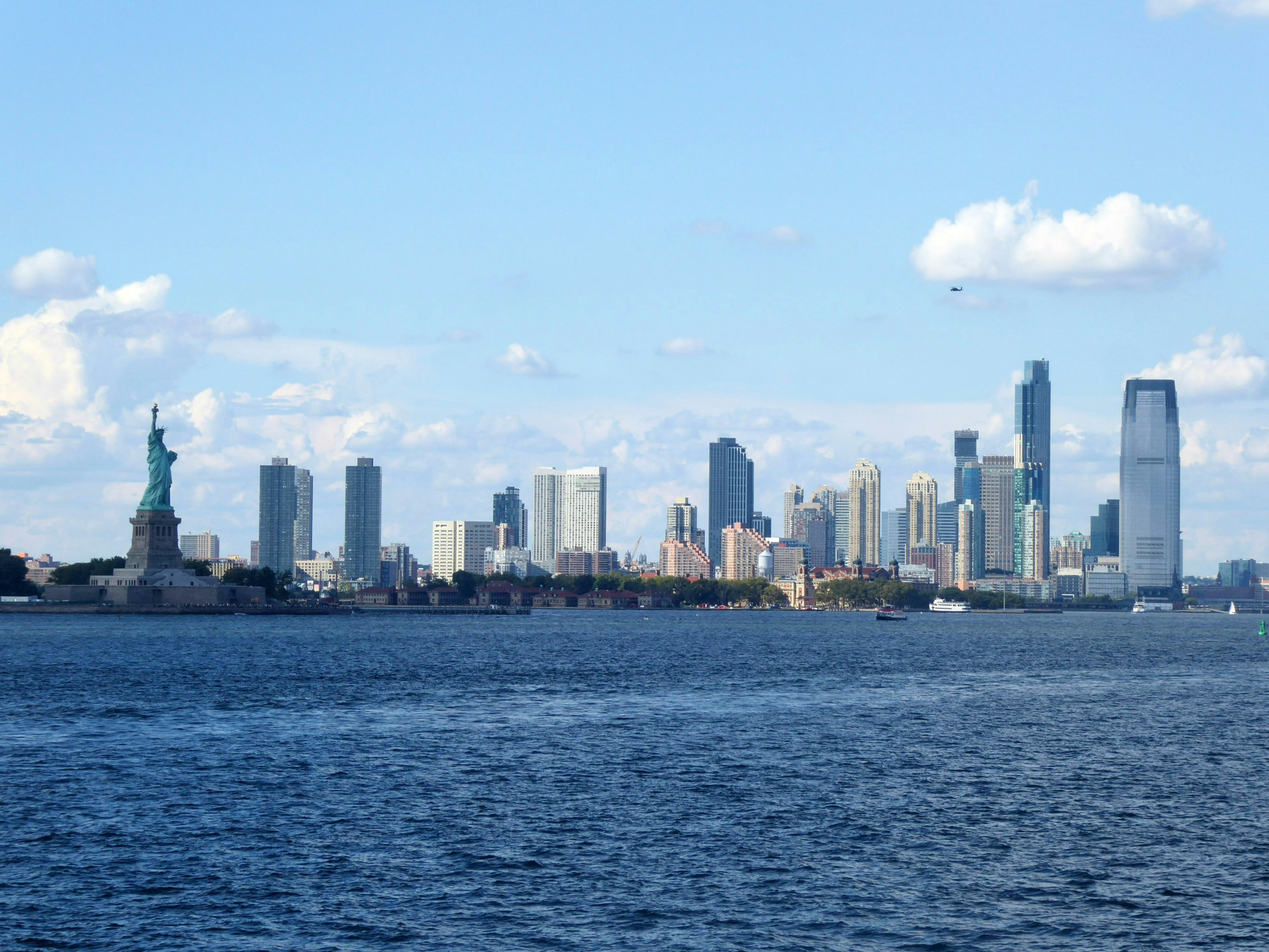
The US doesn’t have one dominant “mega city” the way some countries do. It has a network—coastal hubs, inland logistics centers, tech corridors, government-heavy regions, and sprawling Sun Belt metros that keep absorbing newcomers.
And the way the US draws city boundaries is… messy. Some cities annex suburbs; some don’t. Some counties function like cities. So if you’ve ever tried to compare Los Angeles to Houston and felt like the numbers don’t match the vibe, you’re not imagining it.
“City proper” is the population inside official city limits. “Metropolitan area” (often shortened to “metro”) includes the surrounding cities and suburbs tied together by commuting and the economy. For day-to-day life—airports, sports teams, job markets—the metro is often the better reality check.
Below is a widely recognized set of the largest cities in the United States by city proper population (not metro). It’s the list most people mean when they say “biggest USA cities,” even if it doesn’t capture the full commuting footprint.
Reality check: rankings shift over time as new estimates come out. If you need an official, up-to-the-minute number, use the latest Census/ACS releases. The order below reflects the commonly cited top tier.
The most populous city in the US, and it feels like it. Five boroughs, radically different neighborhoods, and a transit system that shapes the whole experience. NYC is dense, expensive, loud, and—when it’s good—shockingly good.
LA is what happens when a global city spreads out. It’s entertainment, ports, aerospace, universities, and countless micro-centers. People underestimate how varied it is—beaches, mountains, desert edges, and neighborhoods that operate like separate towns.
The biggest city in the Midwest and a classic “workhorse” metro—finance, logistics, manufacturing history, and serious architecture. And yes, winter is part of the deal. Some people love that. Some people move anyway.
Energy is the headline, but the city’s economy is broader than many assume—healthcare and aerospace have real weight. It’s also famously diverse. And it’s sprawling. If you’re planning a visit, plan your neighborhoods like you’d plan separate trips.
Phoenix represents the Sun Belt growth story in one frame: new housing, expanding suburbs, and a metro that keeps pulling people in. The heat is no joke. But neither is the scale.
Historic, dense by US standards, and close to other major East Coast hubs. Philly’s food scene has been punching above its reputation for years. People who only do a day trip usually regret not staying longer.
One of the biggest US cities by population with a strong cultural identity and major military presence. It’s also a gateway city for exploring Texas Hill Country, which surprises first-time visitors.
A large city that often feels relaxed—until you look at housing costs. Military, biotech, and cross-border connections all shape the region. The weather’s almost unfair.
Dallas is a business hub with a fast-moving metro. If you’re thinking “city,” remember the Dallas–Fort Worth region functions like a connected ecosystem of centers, not one downtown.
The biggest city in Silicon Valley by population. It’s tech-driven, expensive, and closely tied to the broader Bay Area. People sometimes dismiss it as “not real city energy,” but it’s absolutely a major urban center—just with a different rhythm.
One thing the most populous US cities make obvious: there isn’t a single “American city experience.” You’ve got dense transit-first neighborhoods in the Northeast, car-heavy sprawl in parts of the South and Southwest, and hybrid cities trying to do both at the same time.
And diversity isn’t a footnote—it’s the main story in many of these places. Languages, food, festivals, and community life often change block by block. If you only hit tourist zones, you’ll miss the point.
Here’s the thing: metros like New York, Los Angeles, Chicago, Dallas–Fort Worth, Houston, Washington DC, Miami, Atlanta, Boston, and the Bay Area can feel bigger than a city-proper ranking suggests—because daily life spills across city lines. Airports, stadiums, employment centers, and suburbs all blur together.
Big cities aren’t for everyone. But when they work for you, they really work. You get density of opportunity—jobs, education, events, communities, niche hobbies, and the weird little subcultures you didn’t know you needed.
Major urban centers concentrate employers. That means more openings, more lateral moves, and more specialized roles. But it also means competition. And usually, higher costs. The tradeoff is real.
Museums, live music, comedy, sports, late-night food, festivals—big cities stack options on options. And the best part? You don’t have to love all of it. You just need your thing to exist, and in big cities it usually does.
Most travelers don’t realize how much time gets burned on city logistics. In the largest US cities, a “quick” plan can become a half-day commute if you don’t respect distance, traffic patterns, and neighborhood layout.
If you’re visiting any of the top US cities by population, cluster your day by neighborhood. Don’t zig-zag. It’s the fastest way to turn a fun trip into a calendar full of “estimated arrival time: 45 minutes.”
Small but useful habit: before you book a hotel, look up the distance between the places you’ll actually spend time. Then check it again during rush hour. The difference can be absurd.
Visit UnlimitMobile Jump to FAQ
If you only remember three things, make it these.
By city-proper population, the top tier commonly includes New York City, Los Angeles, Chicago, Houston, Phoenix, Philadelphia, San Antonio, San Diego, Dallas, and San Jose.
If you mean land area, the list can look very different from population rankings because some cities have unusually large city limits. That’s why “biggest” should specify population vs area.
They’re spread across the country: the Northeast (New York, Philadelphia), the Midwest (Chicago), the West Coast (Los Angeles, San Diego, San Jose), and fast-growing Sun Belt regions (Houston, Phoenix, San Antonio, Dallas).
They concentrate jobs, infrastructure, universities, airports, ports, and cultural institutions. In practice, they’re the engines that drive huge parts of regional—and sometimes national—economic output.
It depends on climate. Spring and fall are usually the easiest for many regions. Summer can be intense in hot-weather cities (like Phoenix or Houston), while winter can be punishing in colder metros (like Chicago).
Plan by neighborhood, not by “top 10 attractions.” Use transit where it’s strong (NYC, Chicago, Philly) and accept that rideshare or a rental may be more practical in car-oriented cities (LA, Dallas, Houston, Phoenix).
Many will, but growth isn’t uniform. Housing costs, climate risks, job shifts, and infrastructure capacity can speed growth up—or slow it down. The Sun Belt has been gaining for years, yet even it isn’t immune to changing conditions.
Last note: if you’re comparing “largest cities in the United States” across sources, check whether the source uses city proper, metro area, or combined statistical areas. Same phrase—different math.
Explore the biggest USA cities by population, how they differ from metro areas, and practical travel tips for America’s largest urban centers.
Discover more

Check how the Canada exchange rate to US dollars works, what moves CAD to USD, and how to convert CAD to USD confidently while traveling.
Discover more

Understand USA mobile numbers—format, area codes, how they’re assigned, and what to know when getting a US phone number.
Discover more

Compare US mobile networks by coverage, speed, and value—plus how to pick the right plan with UnlimitMobile.
Discover more

Choose a mobile plan in USA with flexible options for travel, work, or everyday use. Compare SIM vs eSIM, coverage, and data needs with UnlimitMobile.
Discover more

Understand travel health insurance in the USA—what it covers, how to choose limits, and how to stay connected with UnlimitMobile while you travel.
Discover more

Compare the best mobile phone plans in the USA—unlimited, prepaid, family, and no-contract. Pick a plan that fits your data, coverage, and budget.
Discover more

Explore cheap places to live in the USA with practical tips on rent, jobs, and daily costs—plus how to stay connected for less with UnlimitMobile.
Discover more

Understand the US medical care system—insurance, costs, access, ER vs urgent care, reforms, and practical tips for visitors and residents.
Discover more

Move to the UK with confidence in 2026. Discover visas, housing, healthcare, jobs, student life, cost of living, banking, and essential tips for students & expats.
Discover more